Combined Transcatheter Aortic Valve Implantation and Endovascular Aortic Repair: A Review
| Available Online: | July, 2026 |
| Page: | 65–73 |
Author for correspondence:
Georgios I. Karaolanis MD, MSc, PhD, FACS
Consultant Vascular and Endovascular Surgery
Vascular unit, Department of Surgery
University Hospital of Ioannina, Ioannina, Greece
email: drgikaraolanis@gmail.com
Doi 10.59037/hkbf3g14
Georgios Karaolanis1, Nikolaos Bekas1, Demetrios Nikas2
1 Vascular Unit, Department of Surgery, University Hospital of Ioannina and School of Medicine, Ioannina, Greece
2 Second Department of Cardiology, Medical School, University of Ioannina, Ioannina, Greece
Full Text
Gallery
Full Text
Abstract:
Background: The coexistence of severe aortic valve stenosis and aortic aneurysmal disease presents a complex therapeutic challenge, particularly in elderly patients at high surgical risk. Advances in minimally invasive techniques have enabled combined transcatheter aortic valve implantation (TAVI) and endovascular aortic repair (EVAR / TEVAR) as an alternative to open surgery.
Methods: A comprehensive review of the literature was performed to identify published studies reporting outcomes of combined TAVI and endovascular aortic repair, either as a simultaneous or staged strategy. Study characteristics, procedural details, and reported outcomes were analyzed descriptively.
Results: The available evidence consists predominantly of case reports and small case series involving high-risk patients. Both simultaneous and staged approaches were reported, with TAVI most commonly performed prior to aortic repair. Procedural success rates were high, and short- to mid-term outcomes were generally favorable. Complications were infrequently reported in small studies, although larger series of isolated procedures indicate that relevant adverse events may occur.
Conclusion: Combined TAVI and endovascular aortic repair appear to be a feasible and minimally invasive treatment option for selected high-risk patients with concomitant aortic valve and aortic pathology. However, evidence remains limited, and optimal patient selection and procedural sequencing are yet to be defined. Larger studies and prospective registries are required to establish standardized treatment strategies.
Keywords: transcatheter aortic valve implantation, endovascular aortic repair, review
INTRODUCTION
The prevalence of concomitant aortic aneurysms involving the thoracic and abdominal aorta in patients with severe aortic valve stenosis has increased in the elderly population, and is reported in approximately 6% of patients undergoing transcatheter aortic valve implantation (TAVI).1-3 Currently, there are no established recommendations regarding the optimal management of these patients, rendering their treatment particularly challenging.
Historically, management of patients requiring aortic valve replacement (AVR) in the presence of an aortic aneurysm has favored a staged approach, with simultaneous repair reserved for cases involving large or symptomatic aneurysms, primarily due to concerns regarding the increased risk of aneurysm rupture following open AVR.4 In recent years, in an effort to mitigate perioperative mortality and the invasiveness associated with combined open procedures, a single-stage approach consisting of TAVI followed by thoracic or endovascular aortic aneurysm repair (TEVAR) has emerged as an attractive and less invasive alternative.5-7 The aim of the present review is to summarize the available published cases of patients with concomitant aortic aneurysms undergoing TAVI, treated either in simultaneous or staged manner.
METHODS
Design and registration
The present systematic review was designed and reported in accordance with the Preferred Reporting Items for Systematic reviews (PRISMA) statement (Figure 1).
Eligibility criteria
Observational cohort studies (prospective or retrospective), and case series/report studies, published in English, and reporting data on TAVI and TEVAR or EVAR, were considered eligible. Studies which provided data on hybrid procedures (open aortic valve replacement +TEVAR or EVAR), or those with TAVI and open repair of thoracic and abdominal aortic aneurysm were excluded.
Search strategy
A thorough literature search was conducted in MEDLINE (via PubMed; 1966 to November 2025), EMBASE (via Ovid; 1980 to November 2025), the Cochrane Central Register of Controlled Trials (CENTRAL) (through November 2025), and Google Scholar (through November 2025). A snowball process of the reference lists from the eligible studies was performed after the retrieval of relevant reports from the databases searches. The following search items, including expanded Medical Subject Headings (MeSH) terms were used in various combination: ((transcatheter aortic valve implantation) OR (replacement)) AND (aneurysm) AND (endovascular aortic repair). Figure 1 depicts the eligible studies available in the literature, including 22 studies2, 5, 7-26 with TAVI and EVAR and 10 studies5, 6, 27-34 with TAVI and TEVAR. Unfortunately, most of the included studies were case reports (n = 24),3, 6, 8, 10-17, 22-24, 27, 28, 30-35 while only three studies2, 5, 7 included more than 10 patients and six studies9, 20, 21, 25, 26, 29 were small case series comprising six or fewer patients. One study reported outcomes on TAVI and TEVAR or EVAR.5 Owing to the limited sample sizes and heterogeneity of the available data, no formal statistical analysis was performed in the present review.
Definitions
Major adverse events were defined as all-cause mortality, myocardial infarction, respiratory failure requiring prolonged (>24 hours from anticipated) mechanical ventilation or reintubation, renal function decline resulting in >50% reduction in baseline eGFR or new-onset dialysis, bowel ischemia requiring surgical resection or not resolving with medical therapy, major stroke, and paraplegia.36
All events that occurred intraoperatively or within 30 days postoperatively were defined as early outcomes, whereas RTAD events occurring more than 30 days after surgery were defined as late outcomes.
Pathophysiological Considerations
Severe aortic valve stenosis and aortic aneurysmal disease frequently coexist in elderly patients, sharing common risk factors such as advanced age, hypertension, atherosclerosis, and degenerative changes of the aortic wall. The presence of severe aortic stenosis leads to chronic pressure overload of the left ventricle, resulting in reduced cardiac output and altered aortic hemodynamics. These changes may partially mask the true hemodynamic stress exerted on the aneurysmal aortic wall prior to valve intervention.37, 38 Relief of aortic stenosis following aortic valve replacement, particularly after TAVI, results in an abrupt increase in cardiac output and systolic blood pressure. This sudden hemodynamic shift may increase wall shear stress and transmural pressure within the aneurysm, potentially predisposing to aneurysm expansion or rupture, especially in large or unstable aneurysms.39, 40 This phenomenon has historically raised concerns regarding the safety of isolated valve replacement in patients with concomitant aortic aneurysms. Furthermore, manipulation of the aorta during valve procedures, including catheter and device passage through aneurysmal segments, may increase the risk of embolization, dissection, or rupture, particularly in extensively diseased or thrombus aorta.41 These risks underscore the importance of meticulous preprocedural imaging and planning.
Conversely, endovascular aortic repair (EVAR or TEVAR) stabilizes the aneurysmal segment by excluding it from systemic arterial pressure, potentially reducing the risk associated with subsequent increases in cardiac output following valve intervention. For this reason, combined or staged endovascular and transcatheter strategies have been increasingly considered to mitigate these opposing pathophysiological forces.42
Understanding the complex hemodynamic interplay between aortic valve stenosis and aneurysmal disease is crucial for optimizing procedural sequencing and minimizing perioperative risk. This interplay forms the physiological basis for contemporary combined treatment strategies using TAVI and endovascular aortic repair.
RESULTS
A. Thoracic endovascular aneurysm repair and Transcatheter aortic valve implantation
In the present review, ten studies,5, 6, 27-34 comprising eight case reports6, 27, 28, 30-34 and two case series5, 29 with a total of 18 patients reported outcomes following combined thoracic endovascular aortic repair (TEVAR) and transcatheter aortic valve implantation (TAVI) (Table 1). The mean patient age was 80 years (range, 60-88 years). The mean maximum aortic diameter was 66 mm (range, 20-90 mm). Twelve patients underwent a single-stage procedure, whereas five patients were treated using a staged approach.
The Edwards Sapien transcatheter heart valve (Edwards Lifesciences, Irvine, CA, USA) was used in six studies29-34 while in two studies6, 27 was selected the Evolut Pro (Medtronic, Minneapolis, MN, USA). Regarding the type of thoracic aortic endografts used, the c-TAG device (W.L. Gore & Associates, Flagstaff, AZ, USA) was used in four patients,6, 29, 30, 33 the Valiant Captivia device (Medtronic, Minneapolis, MN, USA) in two patients,27, 31 and the Najuta thoracic stent graft (Kawasumi Laboratories, Inc., Tokyo, Japan) in two patients.28, 32 In the remaining cases, the type of thoracic endograft was not specified.
Early outcomes
One patient died during the 30-day period who underwent a staged procedure with TEVAR and TAVI. An 84-year-old male who underwent EVAR first and TAVI after 86 days; the 2nd postoperative course was complicated by urinary sepsis causing final exitus. Major adverse events were reported in five patients including cardiac events (n=1), respiratory adverse events (n=3) and cerebrovascular adverse events (n=1).5 Transient spinal cord injury appeared in one patient 48 hours postoperatively who underwent a simultaneous treatment. Magnetic resonance imaging of the thoracic spine revealed no evidence of spinal cord infarction or epidural haematoma. The patient fully recovered with vasopressor therapy.6 The mean length of stay was 12 days (range, 4-21 days).
Late outcomes
The mean follow-up duration was 10 months (range, 1-25 months). During this period, no complications were reported in any of the included studies.
B. Endovascular aortic aneurysm repair and Transcatheter aortic valve implantation
Twenty-two studies2, 5, 7-26, 30 with an overall of 226 patients reported data based on TAVI and EVAR (Table 2). The mean patient age was 79 years (range, 67-91 years). The mean maximum aortic diameter was 55 mm (range, 30-70 mm). Twelve patients underwent a single-stage procedure, whereas five patients were treated using a staged approach.
The Evolut Pro (Medtronic, Minneapolis, MN, USA) was selected in five studies,8, 9, 15, 16, 18, 21, 26, the Edwards Sapien transcatheter heart valve (Edwards Lifesciences, Irvine, CA, USA) was used in five studies,9, 10, 14, 17, 20 the Portico (Abbott Laboratories, Abbott Park, IL, USA) in two studies21, 24 and the Lotus (Boston Scientific Corporation, Marlborough, MA, USA) in two studies.12, 22 Main aortic endografts were the Zenith platform (Cook Medical, Bloomington, IN, USA) which was used in seven studies9, 10, 13, 15-17, 22 the Excluder (W. L. Gore & Associates, Flagstaff, AZ, USA) was selected in five studies9, 14, 20, 21, 23 the Endurant aortic device (Medtronic, Minneapolis, MN, USA) in four studies9, 11, 20, 26 the InCraft (Cordis, Miami Lakes, FL, USA) and the Ovation (Endologix, Irvine, CA, USA) devices were selected in two studies.18, 24 In the remaining cases, the type of thoracic endograft was not specified.
Early outcomes
During the early period, no deaths were noted. Type II endoleak was the most common complication after EVAR and was reported in four studies.5, 9, 10, 25 One type III endoleak was reported in one study after use of the Ovation platform originating in the overlap of the limbs and the main body.18 Serial balloon dilatations was performed and the final angiography revealed absence of any type endoleak and exlusion of the aneurysm sac.18 Other additional complications were access related (n=2; pseudoaneurysm and dissection in the puncture site) with endarterectomy of common femoral artery and patchoplasty. Major adverse events were reported in six cases including cardiac events (n=1), respiratory adverse events (n=2) and cerebrovascular adverse events (n=1).5 The mean length of stay was 8 days (range, 5-22 days).
Late outcomes
The mean follow-up duration was 7 months (range, 1-25 months). During this period, a recoil of iliac artery has been detected and was treated successfully putting a new stent graft.5 Additionally one new pseudoaneurysm was detected and was treated in the same study.5 Type II endoleak was detected after six months and was managed conservatively.
DISCUSSION
The coexistence of severe aortic valve stenosis and aortic aneurysmal disease represents a complex clinical scenario that is increasingly encountered in the aging population.43 Advances in minimally invasive therapies have expanded treatment options for patients who are considered high or prohibitive risk for open surgery. In this context, the combination of transcatheter aortic valve implantation (TAVI) and endovascular aortic repair (EVAR or TEVAR) has emerged as a feasible alternative to conventional open approaches, aiming to reduce perioperative morbidity and mortality.43,44
The present review demonstrates that combined transcatheter and endovascular treatment has been applied predominantly in elderly, high-risk patients, with encouraging procedural success and acceptable short- to mid-term outcomes. The reported experience, although limited, suggests that both simultaneous and staged strategies are technically feasible.2,5 However, the staged approach most frequently with TAVI performed prior to aortic repair appears to be favored in the majority of published cases.26 This preference likely reflects concerns regarding the hemodynamic consequences of relieving aortic stenosis, which may increase aortic wall stress and theoretically predispose to aneurysm expansion or rupture if the aneurysm is left untreated.45
From a pathophysiological perspective, the sequences of procedures remains a matter of debate. Performing TAVI first may improve cardiac output and hemodynamic stability, thereby reducing the risk associated with subsequent endovascular aortic repair.26 Conversely, aneurysm exclusion prior to valve intervention may theoretically protect against post-TAVI increases in systolic pressure and wall stress. 26 The available literature does not provide sufficient comparative data to support one strategy over the other, underscoring the importance of individualized decision-making based on aneurysm size, morphology, symptomatology, and overall patient risk profile.41,42
Current clinical guidelines from the American Heart Association (AHA) and American College of Cardiology (ACC) do not provide specific recommendations on the management of patients with concomitant aortic valve stenosis and aortic aneurysmal disease requiring combined transcatheter and endovascular repair.44,45 However, the 2022 ACC/AHA Guidelines for the Diagnosis and Management of Aortic Disease, which addresses thoracic aortic pathology more broadly, underscores the importance of multidisciplinary care and procedural expertise when managing complex aortic conditions, including the use of endovascular techniques such as TEVAR in anatomically suitable patients.44 In addition, established ACC/AHA valvular heart disease guidelines emphasize that TAVI should be performed by experienced multidisciplinary Heart Team programs with comprehensive preprocedural planning to optimize outcomes.46 These guideline principles implicitly support cautious application of combined strategies, but specific evidence-based recommendations for sequencing or integration of TAVI and TEVAR / EVAR in the same patient remain unavailable, reflecting the need for further data.
In contrast to the small case reports and case series included in the present review where no procedural complications were documented, data from larger observational cohorts studies of TEVAR / EVAR and TAVI in similar high-risk populations have reported notable adverse event rates.2,5 Specifically, late complications following thoracic endovascular aortic repair (TEVAR), including endoleaks, and need for secondary interventions, have been observed in up to approximately 38% of patients in broad clinical series, with reinterventions reported in nearly one-quarter of cases.2,5,43 This highlights that while individual case reports may not capture the full spectrum of complications, aggregate experience from larger populations demonstrates important procedural risks that must be considered when planning combined interventions. Likewise, large registries of TAVI have identified vascular access complications, stroke, and conduction disturbances as recognized adverse outcomes, underscoring that procedural safety in real-world cohorts may differ from isolated case descriptions.43
Future research should focus on multicenter registries and collaborative studies to better define patient selection criteria, procedural sequencing, and long-term outcomes. The establishment of standardized reporting frameworks may further enhance comparability across studies. Until higher-level evidence becomes available, the management of patients with concomitant severe aortic stenosis and aortic aneurysmal disease should rely on a multidisciplinary Heart-Vascular Team approach, integrating cardiology, cardiac surgery, and vascular surgery expertise.47
CONCLUSION
In conclusion, combined TAVI and endovascular aortic repair represents a contemporary, minimally invasive treatment option for selected high-risk patients with concomitant aortic valve and aortic pathology. While early outcomes are encouraging, further evidence is required to establish standardized treatment algorithms and long-term safety.
REFERENCES
- Kurra V, Schoenhagen P, Roselli EE, Kapadia SR, Tuzcu EM, Greenberg R, et al. Prevalence of significant peripheral artery disease in patients evaluated for percutaneous aortic valve insertion: Preprocedural assessment with multidetector computed tomography. J Thorac Cardiovasc Surg. 2009;137(5):1258-64.
- Pu A, Annabathula RV, Allaham H, Chahal D, Toursavadkohi S, Gupta A. In-Hospital Outcomes of Simultaneous and Staged Transcatheter Aortic Valve Replacement and Endovascular Aneurysm Repair. Catheter Cardiovasc Interv. 2025;106(5):3011-7.
- Tan C, Weng JY, Gou ZS, Zhang HF, Zhang J. One-Stop TEVAR and TAVR Procedure for Severe Aortic Stenosis With Aortic Arch Aneurysm. JACC Case Rep. 2025;30(10):103922.
- Klokocovnik T, Span M, Gregoric ID. Minimally invasive sternotomy for aortic valve replacement followed by a minilaparotomy for abdominal aneurysm repair. Heart Surg Forum. 2008;11(3):E181-3.
- Gallitto E, Spath P, Faggioli GL, Saia F, Palmerini T, Piazza M, et al. Simultaneous versus staged approach in transcatheter aortic valve implantation for severe stenosis and endovascular aortic repair for thoracic and abdominal aortic aneurysm. Eur J Cardiothorac Surg. 2024;66(5).
- Kadoya Y, Zen K, Yaku H, Matoba S. Simultaneous transfemoral valve-in-valve transcatheter aortic valve replacement and debranching thoracic endovascular aortic repair through a tortuous and shaggy aorta: a case report. Eur Heart J Case Rep. 2020;4(4):1-5.
- Lu J, Zambetti B, Plant J, Gupta A, Nagarsheth K, Toursavadkohi S. Simultaneous Endovascular Aortic Repair Expands Transcatheter Aortic Valve Replacement Eligibility to Patients With Hostile Aortic Pathology. Vasc Endovascular Surg. 2025;59(3):257-65.
- Boljevic D, Lakcevic J, Farkic M, Mihajlovic V, Veljkovic S, Sljivo A, et al. Simultaneous Transcatheter Aortic Valve Replacement and Endovascular Aortic Aneurysm Repair-The First Case in Serbia. Diagnostics (Basel). 2025;15(21).
- Naoum I, Eitan A, Galili O, Hayeq H, Shiran A, Zissman K, et al. Strategy for Totally Percutaneous Management of Vascular Injury in Combined Transfemoral Transcatheter Aortic Valve Replacement and Endovascular Aortic Aneurysm Repair Procedures. Am J Cardiol. 2023;207:130-6.
- Sanoussi A, Aminian A, Abi-Khalil J. One-stop transcatheter aortic valve replacement and fenestrated endovascular aortic aneurysm repair: A case report. Radiol Case Rep. 2024;19(3):1162-5.
- Aluko Y, Diehl L, Jacoby R, Chan B, Andrews S, McMillan E, et al. Simultaneous transcatheter aortic valve replacement and endovascular repair for critical aortic stenosis and large abdominal aortic aneurysm. Cardiovasc Revasc Med. 2015;16(4):254-8.
- Binder RK, Maisano F, Lachat M. First report of simultaneous transcatheter aortic valve replacement, endovascular aortic aneurysm repair, and permanent pacemaker implantation after multi-vessel coronary stenting and left atrial appendage occlusion. Eur Heart J. 2015;36(37):2543.
- Bramucci A, Vignali L, Tadonio I, Losi L, Freyrie A, Perini P. Single-Stage Procedure of Transcatheter Aortic Valve Replacement and Endovascular Aneurysm Repair Under Local Anaesthesia and Percutaneous Access. Vasc Endovascular Surg. 2023;57(8):949-53.
- Chakraborty BR, Greason KL, Oderich GS, Bresnahan JF, Reeder GS, Suri RM, et al. Endovascular abdominal aortic aneurysm repair to facilitate access for transcatheter aortic valve implantation. Ann Thorac Surg. 2013;95(4):1439-41.
- Drury-Smith M, Garnham A, Khogali S. Critical aortic stenosis in a patient with a large saccular abdominal aortic aneurysm: simultaneous transcatheter aortic valve implantation and drive-by endovascular aortic aneurysm repair. Catheter Cardiovasc Interv. 2012;80(6):1014-8.
- Drury-Smith M, Garnham A, Khogali S. Sequential trans-catheter aortic valve implantation and abdominal aortic aneurysm repair. Catheter Cardiovasc Interv. 2012;79(5):784-8.
- Kawashima H, Watanabe Y, Kozuma K. Successful transfemoral aortic valve implantation through aortic stent graft after endovascular repair of abdominal aortic aneurysm. Cardiovasc Interv Ther. 2017;32(2):165-9.
- Koudoumas D, Iyer V, Curl RG. Simultaneous percutaneous transcatheter aortic valve replacement and endovascular abdominal aortic aneurysm repair in a high risk patient with hostile aortic neck, a case report. J Cardiothorac Surg. 2015;10:184.
- Marchi F, Cerillo AG, Rizza A, Mariani M, De Caterina AR, Palmieri C, et al. Large Abdominal Aortic Aneurysm in a High-Risk Surgical Patient: Combined Percutaneous Transfemoral TAVI and EVAR Procedure. J Heart Valve Dis. 2015;24(3):310-2.
- Mauri S, Bozzani A, Ferlini M, Aiello M, Gazzoli F, Pirrelli S, et al. Combined Transcatheter Treatment of Severe Aortic Valve Stenosis and Infrarenal Abdominal Aortic Aneurysm in Increased Surgical Risk Patients. Ann Vasc Surg. 2019;60:480 e1- e5.
- Medda M, Casilli F, Bande M, Glauber M, Tespili M, Cirri S, et al. Percutaneous treatment of abdominal aortic aneurysm and aortic valve stenosis with ‘staged’ EVAR and TAVR: a case series. J Cardiothorac Surg. 2023;18(1):231.
- Rashid HN, McCormick LM, Gooley RP, Meredith IT. Simultaneous transcatheter aortic valve implantation and drive-by endovascular aortic aneurysm repair: a case of lotus valve retrieved and replaced due to an undersized valve after an endovascular aneurysm repair. Cardiovasc Interv Ther. 2017;32(3):299-303.
- Sato Y, Horiuchi Y, Yahagi K, Okuno T, Kusuhara T, Yokozuka M, et al. Simultaneous transcatheter aortic valve implantation and endovascular aneurysm repair in a patient with very severe aortic stenosis with abdominal aortic aneurysm. J Cardiol Cases. 2018;17(4):123-5.
- Schizas N, Antonopoulos CN, Patris V, Lampropoulos K, Kratimenos T, Argiriou M. Current issues on simultaneous TAVR (Transcatheter Aortic Valve Replacement) and EVAR (Endovascular Aneurysm Repair). Clin Case Rep. 2021;9(7).
- Yammine H, Briggs CS, Rolle QV, Ballast JK, Frederick JR, Skipper E, et al. Simultaneous Transcatheter Aortic Valve Replacement and Endovascular Aortic Aneurysm Repair. J Am Coll Cardiol. 2021;77(16):2156-7.
- Koutsias S, Karaolanis GI, Papafaklis MI, Peroulis M, Tzimas P, Lakkas L, et al. Simultaneous Transcatheter Aortic Valve Implantation and Infrarenal Aortic Aneurysm Repair for Severe Aortic Stenosis and Abdominal Aortic Aneurysm: Report of 2 Cases and Literature Review. Vasc Endovascular Surg. 2020;54(6):544-8.
- Liu Y, Liu J, Cao H. Advanced Multidisciplinary Management of Severe Aortic Stenosis and Chronic Aortic Dissection With Combined TAVR-TEVAR. JACC Case Rep. 2025;30(21):104352.
- Ikeda M, Hosoda S, Shiozaki Y, Shiikawa A, Azuma T. [Branched Thoracic Endovascular Aortic Repair for Aortic Arch Aneurysm Following Severe Combined Valvular Disease: Report of a Case]. Kyobu Geka. 2023;76(8):642-5.
- Allen KB, Johnson LM, Borkon AM, Aggarwal S, Davis JR, Cohen DJ, et al. Combined Transcatheter Aortic Valve Replacement and Thoracic Endovascular Aortic Repair Using Transapical Access. Ann Thorac Surg. 2015;100(2):723-7.
- Ayhan H, Durmaz T, Kele ST, CanyiGit M, E UG, Kasapkara HA, et al. Simultaneously successful transfemoral aortic valve implantation and endovascular repair of thoracic aortic saccular aneurysm. Int Heart J. 2014;55(5):459-62.
- De Backer O, Lonn L, Sondergaard L. Combined surgical and catheter-based treatment of extensive thoracic aortic aneurysm and aortic valve stenosis. Catheter Cardiovasc Interv. 2015;85(3):E95-8.
- Hayakawa M, Domoto S, Azuma T, Yamagata A, Isomura S, Otsuki H, et al. Transcatheter aortic valve implantation after branched thoracic endovascular aortic repair in zone 0. Gen Thorac Cardiovasc Surg. 2021;69(5):862-5.
- Komlo CM, Vallabhajosyula P, Bavaria JE, Desai ND, Anwaruddin S, Giri JS, et al. Combined transaortic transcatheter valve replacement and thoracic endografting. Ann Thorac Surg. 2014;97(2):696-8.
- Painchaud-Bouchard AS, Potvin J, Forcillo J, Ruz R, Elkouri S. Percutaneous Treatment of Concomitant Severe Aortic Stenosis and Thoracoabdominal Aortic Aneurysm. J Endovasc Ther. 2022;29(1):156-9.
- Zhu Y, Roselli EE, Idrees JJ, Kapadia S, Svensson LG. Combined Transapical Transcatheter Aortic Valve Replacement and Thoracic Endovascular Aortic Repair for Severe Aortic Stenosis and Arch Aneurysm. Aorta (Stamford). 2016;4(5):175-7.
- Oderich GS, Forbes TL, Chaer R, Davies MG, Lindsay TF, Mastracci T, et al. Reporting standards for endovascular aortic repair of aneurysms involving the renal-mesenteric arteries. J Vasc Surg. 2021;73(1S):4S-52S.
- Lindman BR, Clavel MA, Mathieu P, Iung B, Lancellotti P, Otto CM, et al. Calcific aortic stenosis. Nat Rev Dis Primers. 2016;2:16006.
- Otto CM, Prendergast B. Aortic-valve stenosis–from patients at risk to severe valve obstruction. N Engl J Med. 2014;371(8):744-56.
- Kuzmik GA, Sang AX, Elefteriades JA. Natural history of thoracic aortic aneurysms. J Vasc Surg. 2012;56(2):565-71.
- Davies RR, Goldstein LJ, Coady MA, Tittle SL, Rizzo JA, Kopf GS, et al. Yearly rupture or dissection rates for thoracic aortic aneurysms: simple prediction based on size. Ann Thorac Surg. 2002;73(1):17-27; discussion -8.
- Van Mieghem NM, El Faquir N, Rahhab Z, Rodriguez-Olivares R, Wilschut J, Ouhlous M, et al. Incidence and predictors of debris embolizing to the brain during transcatheter aortic valve implantation. JACC Cardiovasc Interv. 2015;8(5):718-24.
- Mani K, Bjorck M, Lundkvist J, Wanhainen A. Improved long-term survival after abdominal aortic aneurysm repair. Circulation. 2009;120(3):201-11.
- Daye D, Walker TG. Complications of endovascular aneurysm repair of the thoracic and abdominal aorta: evaluation and management. Cardiovasc Diagn Ther. 2018;8(Suppl 1):S138-S56.
- Writing Committee M, Isselbacher EM, Preventza O, Hamilton Black J, 3rd, Augoustides JG, Beck AW, et al. 2022 ACC/AHA guideline for the diagnosis and management of aortic disease: A report of the American Heart Association/American College of Cardiology Joint Committee on Clinical Practice Guidelines. J Thorac Cardiovasc Surg. 2023;166(5):e182-e331.
- Isselbacher EM, Preventza O, Hamilton Black J, 3rd, Augoustides JG, Beck AW, Bolen MA, et al. 2022 ACC/AHA Guideline for the Diagnosis and Management of Aortic Disease: A Report of the American Heart Association/American College of Cardiology Joint Committee on Clinical Practice Guidelines. Circulation. 2022;146(24):e334-e482.
- Sundt TM, Jneid H. Guideline update on indications for transcatheter aortic valve implantation based on the 2020 American College of Cardiology/American Heart Association guidelines for management of valvular heart disease. JAMA cardiology. 2021;6(9):1088-9.
- Gallitto E, Faggioli G, Saia F, Palmerini T, Pini R, Bruno AG, et al. The role of the vascular surgeon in transcatheter aortic valve implantation. Vascular. 2025;33(4):861-9.
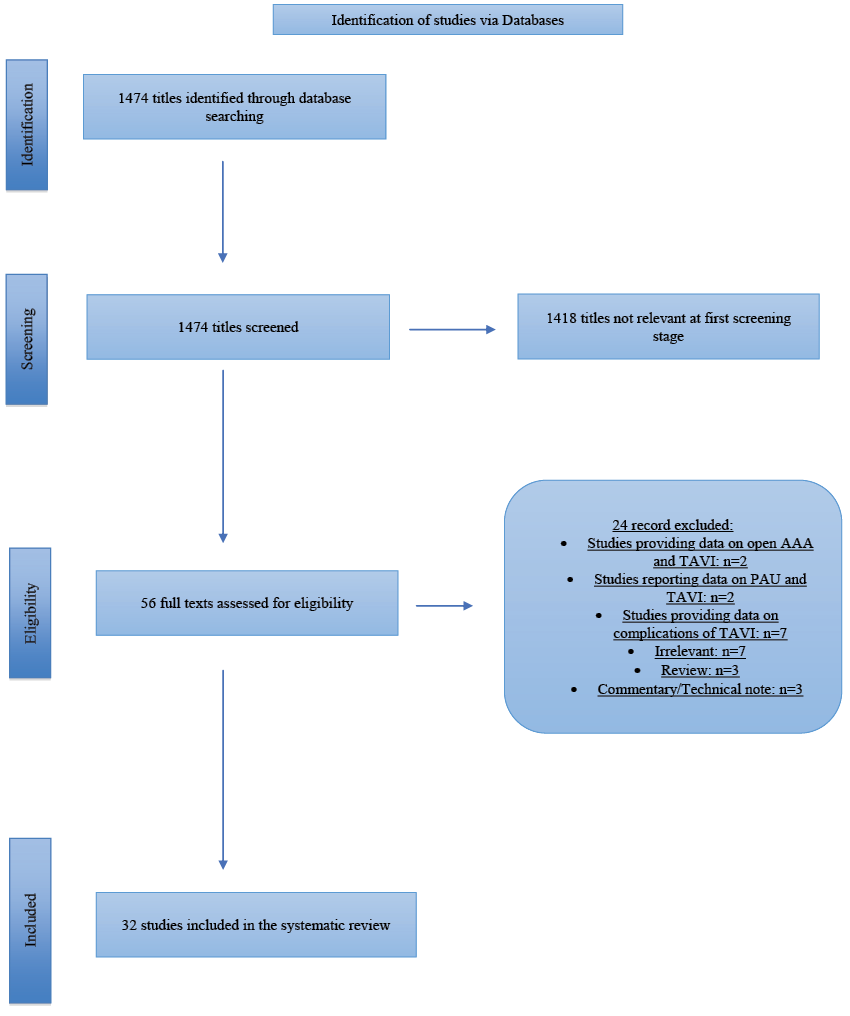
Figure 1: Study flow chart (“Preferred Reporting Items for Systematic reviews and Meta-Analysis” diagram)
Table 1: Baseline characteristics of the eligible studies (TAVI+TEVAR)
|
Author |
Year of publication |
Study Design |
Number of Participants |
Sex |
Age |
TAA size (mm) |
|
Liu Y et al27 |
2025 |
CR |
1 |
m |
82 |
TBAD |
|
Gallitto et al5 |
2024 |
CS |
8 |
m/f |
82 |
58 |
|
Ikeda et al28 |
2023 |
CR |
1 |
m |
79 |
60 |
|
Painchaud-Bouchard AS et al34 |
2022 |
CR |
1 |
f |
78 |
78 |
|
Hayakawa et al32 |
2021 |
CR |
1 |
f |
83 |
55 |
|
Kadoya et al6 |
2020 |
CR |
1 |
m |
87 |
58 |
|
De Backer et al31 |
2015 |
CR |
1 |
f |
78 |
70 |
|
Allen et al29 |
2015 |
CS |
2 |
f |
60 |
90 |
|
Komlo et al33 |
2014 |
CR |
1 |
f |
88 |
60 |
|
Ayhan et al30 |
2014 |
CR |
1 |
m |
83 |
20 |
CR: case report; CS: case series; TBAD: type B aortic Dissection
(Table 1 continue)
Table 1: Baseline characteristics of the eligible studies (TAVI+TEVAR)
|
Author |
Type & size of cardiac valve (mm) |
Type & size of Aortic endograft (mm) |
Type of repair and number of patients (n) |
Complications |
LOS (days) |
FU (month) |
||
|
Simultanous |
2nd stage |
Early |
Late |
|||||
|
Liu Y et al27 |
29-mm EvolutPRO |
Valiant Captivia 36x36x150 |
1 |
none |
none |
nr |
3 |
|
|
Gallitto et al5 |
nr |
nr |
5 |
3 |
Death: n=1 MAE N=5 |
none |
13 |
25 |
|
Ikeda et al28 |
nr |
Najuta |
1 |
nr |
nr |
nr |
nr |
|
|
Painchaud-Bouchard AS et al34 |
26-mm Sapien |
Zenith |
1 |
nr |
nr |
19 |
12 |
|
|
Hayakawa et al32 |
26-mm Sapien |
Najuta |
1 |
nr |
nr |
nr |
nr |
|
|
Kadoya et al6 |
23-mmEvolut PRO |
c-TAG |
1 |
paraplegia |
nr |
21 |
12 |
|
|
De Backer et al31 |
Sapien |
Valiant |
1 |
none |
none |
nr |
6 |
|
|
Allen et al29 |
26-mm Sapien |
c-TAG |
1 |
none |
none |
4 |
12 |
|
|
Komlo et al33 |
26-mm Sapien |
Gore c-TAG |
1 |
none |
none |
8 |
14 |
|
|
Ayhan et al30 |
26 mm Sapien |
Gore c-TAG |
1 |
none |
none |
7 |
1 |
|
MAE: major adverse events; nr: no reported; LOS: length of stay; FU: follow-up
Table 2: Baseline characteristics of the eligible studies (TAVI+EVAR)
|
Author |
Year of publication |
Study Design |
Number of Participants |
Sex |
Age |
AAA size (mm) |
|
PU et al2 |
2025 |
RS |
145 |
m/f |
83 |
nr |
|
Lu J et al7 |
2025 |
RS |
11 |
m/f |
84 |
70 |
|
Boljevic et al8 |
2025 |
CR |
1 |
m |
75 |
46 |
|
Sanoussi et al10 |
2025 |
CR |
1 |
m |
77 |
nr |
|
Gallitto et al5 |
2024 |
RS |
36 |
m/f |
82 |
58 |
|
Naoum et al9 |
2023 |
RS |
6 |
m |
81 |
54 |
|
Medda et al21 |
2023 |
RS |
5 |
m |
77 |
56 |
|
Bramucci et al13 |
2023 |
CR |
1 |
m |
80 |
60 |
|
Yammine et al25 |
2021 |
CS |
5 |
m |
80 |
nr |
|
Schizas et al24 |
2021 |
CR |
1 |
f |
78 |
47 |
|
Koutsias et al26 |
2020 |
CR |
2 |
m |
77/88 |
60/66 |
|
Mauri et al20 |
2019 |
CR |
2 |
f/m |
83/72 |
62/60 |
|
Sato et al23 |
2018 |
CR |
1 |
m |
83 |
57 |
|
Rashid et al22 |
2017 |
CR |
1 |
m |
79 |
60 |
|
Kawashima et al17 |
2017 |
CR |
1 |
f |
91 |
45 |
|
Marchi et al19 |
2015 |
CR |
1 |
m |
78 |
59 |
|
Koudoumas et al18 |
2015 |
CR |
1 |
m |
74 |
50 |
|
Binder et al12 |
2015 |
CR |
1 |
m |
67 |
60 |
|
Aluko et al11 |
2015 |
CR |
1 |
m |
75 |
55 |
|
Chakraborty et al14 |
2013 |
CR |
1 |
m |
81 |
30 |
|
Smith MD et al15 |
2012 |
CR |
1 |
m |
85 |
70 |
|
Smith MD et al16 |
2012 |
CR |
1 |
m |
80 |
68 |
RS: Retrospective study; CR: case report; CS: case series; AAA: Abdominal aortic aneurysm
Table 2 (continue)
Table 2: Baseline characteristics of the eligible studies (TAVI+EVAR)
|
Author |
Type & size of cardiac valve (mm) |
Type & size of Aortic endograft (mm) |
Type of repair and number of patients (n) |
Complications |
LOS (days) |
FU (month) |
||
|
Simultanous |
2nd stage |
Early |
Late |
|||||
|
PU et al2 |
nr |
nr |
98 |
47 |
nr |
nr |
nr |
nr |
|
Lu J et al7 |
nr |
nr |
11 |
ALI/femoral end- arterectomy and patch angioplasty |
nr |
3 |
nr |
|
|
Boljevic et al8 |
34-mm EvolutPRO |
nr |
1 |
nr |
type II endoleak |
nr |
6 |
|
|
Sanoussi et al10 |
26mm Sapien |
Custom-made COOK Zenith |
1 |
type II endoleak |
nr |
6 |
12 |
|
|
Gallitto et al5 |
nr |
nr |
25 |
19 |
TYPE II endoleak (N=2), MAE N=11 |
PTA recoil and pseudoaneurysm |
13 |
25 |
|
Naoum et al9 |
Sapien S3/Evolut R |
Zenith Alpha/Endurant IIs/Excluder |
6 |
type II endoleak |
nr |
8 |
1 |
|
|
Medda et al21 |
Portico; Evolut Pro; Myval; Sapien; |
Excluder |
5 |
nr |
nr |
7 |
nr |
|
|
Bramucci et al13 |
34-Evolut PRO |
Zenith Alpha |
1 |
nr |
nr |
5 |
2 |
|
|
Yammine et al25 |
nr |
nr |
5 |
type II endoleak |
nr |
5 |
12 |
|
|
Schizas et al24 |
25mm Portico |
InCraft |
1 |
nr |
nr |
13 |
1 |
|
|
Koutsias et al26 |
29 mm Evolut R PRO |
Endurant (Medtronic) |
2 |
nr |
nr |
10/8 |
24/12 |
|
|
Mauri et al20 |
26mm Sapien |
Endurant /Excluder |
2 |
nr |
nr |
8/12 |
12/6 |
|
|
Sato et al23 |
26mm CoreValve |
Excluder |
1 |
none |
nr |
8 |
nr |
|
|
Rashid et al22 |
27mm Lotus |
Cook Zenith Flex |
1 |
none |
none |
nr |
6 |
|
|
Kawashima et al17 |
23-mm Sapien XT |
Cook Zenith Flex |
1 |
none |
none |
22 |
nr |
|
|
Marchi et al19 |
nr |
nr |
1 |
|||||
|
Koudoumas et al18 |
31 mm Evolut R PRO |
Ovation |
1 |
Type III endoleak |
nr |
7 |
3 |
|
|
Binder et al12 |
27 mm LotusTM valve |
nr |
1 |
none |
nr |
nr |
3 |
|
|
Aluko et al11 |
26 mm Edwards Sapien |
Endurant |
1 |
none |
none |
3 |
12 |
|
|
Chakraborty et al14 |
26-mm Sapien XT |
Excluder |
1 |
none |
none |
nr |
nr |
|
|
Smith MD et al15 |
29 mm Evolut R PRO |
Cook Zenith Flex |
1 |
none |
none |
14 |
6 |
|
|
Smith MD et al16 |
29 mm Evolut R PRO |
Cook Zenith Flex |
1 |
none |
none |
5 |
nr |
|
nr: no-reported; LOS: length of stay; FU: follow-up